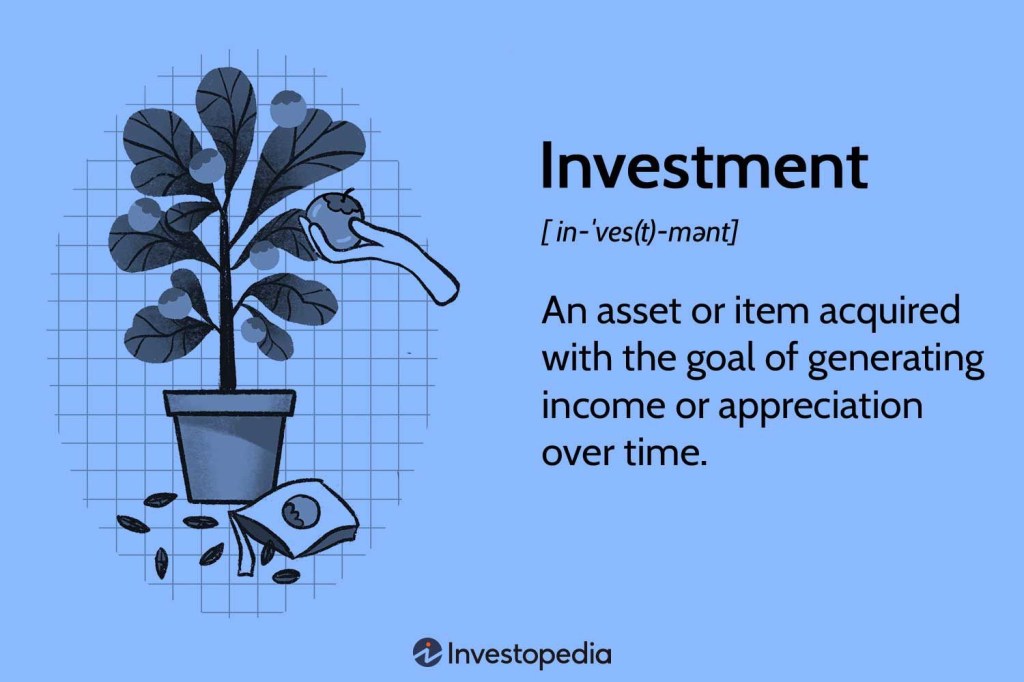
When it comes to investment strategies, it’s important to note that the suitability of a particular strategy depends on various factors such as your financial goals, risk tolerance, and investment timeframe. However, here are a few popular investment strategies to consider:
Diversification: This strategy involves spreading your investments across different asset classes (stocks, bonds, real estate, etc.) and sectors to reduce risk. Diversification helps protect your portfolio from the negative impact of any single investment.
Buy and hold: This strategy involves buying investments for the long term and holding onto them regardless of short-term market fluctuations. It requires patience and the belief in the long-term growth potential of your investments.
Dollar-cost averaging: With this strategy, you invest a fixed amount of money at regular intervals (e.g., monthly) regardless of market conditions. By doing so, you buy more shares when prices are low and fewer shares when prices are high, potentially lowering your average cost per share.
Value investing: This strategy involves identifying undervalued investments that have the potential for long-term growth. Value investors typically look for stocks with a low price-to-earnings (P/E) ratio or other indicators of undervaluation.
Growth investing: Growth investors focus on investing in companies with high growth potential, even if their current valuations may be higher. These investments typically involve technology or innovative companies that are expected to experience rapid expansion in the future.
Index fund investing: This strategy involves investing in passively managed funds that aim to replicate the performance of a specific market index, such as the S&P 500. Index funds offer broad market exposure and are often favored for their low costs and diversification.
Dividend investing: Dividend investors focus on investing in companies that regularly distribute a portion of their profits as dividends. This strategy aims to generate a consistent income stream through dividends, which can be reinvested or taken as cash.
Remember, before implementing any investment strategy, it’s crucial to do thorough research, consider professional advice if needed, and align your investment decisions with your specific financial goals and risk tolerance.
Term insurance is the best type of life insurance for most people, but some people will find that permanent or burial insurance is best for their needs.
Written by: Huma Naeem | | Reviewed by: Nupur Gambhir | Updated on June 6, 2023
Life insurance provides crucial financial protection for your loved ones after you die.
“At its core, life insurance is protection — a hedge against the unexpected,” says Aaron Ball, senior vice president and head of insurance solutions, service, and marketing at New York Life. “You are paying premiums in exchange for the promise that the insurer will be there when you need them.”
Find the best lifeinsurance offers for youCompare Quotes
While you probably understand the importance of this coverage, choosing exactly the right type of policy can be a bit more complicated.
“There are different types of life insurance, and choosing a policy is an important decision,” says Brian Bayerle, senior actuary at the American Council of Life Insurers. “Everyone’s needs are different.”
Though there are many different types of life insurance coverage, term and permanent life insurance are the most popular. However, the type you need depends on your individual circumstances.
Not sure where to start? We’re here to help. Check out our guide to the different types of life insurance to figure out which one is best for you.
KEY TAKEAWAYS
There are multiple types of life insurance, including term life, whole life and final expense insurance.
The best life insurance for you depends on what you want and need from coverage.
Term life is usually less expensive than whole life, but you may outlive your policy.
What are the different types of life insurance?
There are many types of life insurance policies. Choosing the right coverage can help you get the most from your policy.
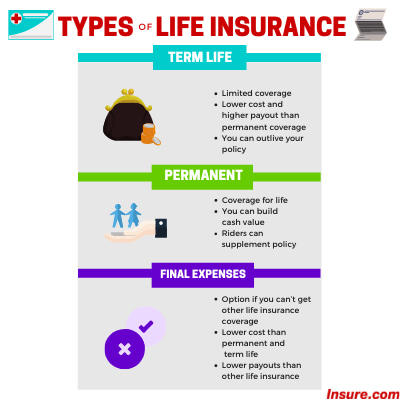
Term life insurance
Term life insurance provides coverage for a specific period — or term. For example, if you purchase a term life insurance policy, you typically will be covered for 10 to 40 years. Ideally, when your coverage expires, you no longer have major financial obligations — such as providing for your family or paying for a mortgage.
Term life is more affordable than permanent life insurance and generally more straightforward. It’s best to buy term insurance during your peak earning years while raising a family.
“Term insurance is often used to cover financial obligations that will disappear over time, such as tuition or mortgage payments,” Bayerle says.
Types of term life insurance
Level term life insurance: This is the most common type of term life insurance. Both premiums and the death benefit stay the same as long as the policy is active.
No-medical exam: A no-medical exam policy doesn’t require an in-person physical exam to qualify for coverage but instead reviews your existing health records. While people with minimal health concerns are good candidates for this coverage, many companies are opening up no-medical exam policies to individuals across all health profiles.
Annual renewable term (ART): An annual renewable term policy is a short-term policy lasting one year but with the option to renew each year. The premium rates are usually lower than what you’d pay for a similar term policy but increase each year they are renewed.
Decreasing term insurance: With a decreasing term insurance policy the coverage amount decreases over time, but your premium stays the same. This type of term insurance is often purchased if you have specific debt or loans that need to be paid off.
Group life insurance: Group life insurance is a type of coverage that groups provide to their members. Typically, the group is an employer and the members are the employees, but other fraternities and groups offer policies as well. While it’s easy to qualify for coverage and group life insurance costs are cheap — and often free — the type of coverage you receive is limited.
Permanent life insurance
Unlike term life insurance, a permanent life insurance policy doesn’t expire after a specific period — it remains active for your entire life.
“Your rate is locked in with no end date, ensuring your assets are protected for the long term with a guaranteed death benefit,” Ball says.
Permanent life insurance policies are not for everyone — but if you’ve maxed out your investments, are leaving behind an inheritance, or have a long-term dependent, a permanent life insurance policy could be useful. Additionally, permanent policies have a cash value, which is an investment-like component that can be used while you are alive.
“Cash value takes time to grow,” Bayerle says. “But after several years, a policy’s cash value can offer policyholders several options.”
You should consult a certified financial planner to determine which type of life insurance is the best for you.
Types of permanent life insurance
Whole life insurance: The cash value component grows over time and can be dipped into during your lifetime. Whole life policy earnings usually grow faster than your mortality cost — which is the cost to insure you — during your life.
Universal life insurance: With a universal life insurance policy, you can raise or lower your coverage or premiums as your needs change. This type of policy also allows you to build a cash value account that typically earns money at market rates of interest.
Variable life insurance: Variable universal life insurance offers the policyholder a savings component that can be used to invest in stocks, bonds and other instruments. The upside is that a variable life insurance policy’s value has the potential to grow quickly. But if the market doesn’t perform well, it can negatively affect the cash value and death benefit.
Burial insurance
Burial life insurance, also known as final expense insurance, guarantees families a death benefit to cover end-of-life expenses, such as a funeral or final medical expenses. It is more expensive than term or whole life insurance and offers far less coverage, but provides some financial security for people who cannot get a traditional term or whole life insurance policy.
Types of burial insurance
Guaranteed issue life insurance: Applicants are almost always accepted regardless of their health profiles. Coverage is low and prices are high, but it is a substitute for people who need coverage for final expenses.
Simplified issue life insurance: Simplified issueprovides coverage for people with moderate health problems that disqualify them from traditional coverage. Like guaranteed issue, coverage is relatively low and prices are high.
What type of life insurance is best for you?
Choosing the right life insurance depends on what you want out of your coverage, but for most people, term life insurance is the right choice. It offers simple, affordable coverage that lasts decades. By the time it expires, you should be ready for retirement and hopefully, no longer have any dependents or financial obligations.
However, others may find permanent life insurance more valuable. Permanent life insurance options offer a solid investment alternative for people with a high net worth. If you’ve maxed out your 401(k) and are looking for other investment options, a permanent life insurance policy could be useful.
Meanwhile, people who aren’t eligible for traditional life insurance may need to get burial insurance, which offers some coverage even if you are in poor health.
Basically, the type of life insurance you need depends on your circumstances. Speak to an independent life insurance broker so that you’re getting the best policy for you.
When deciding on life insurance, make sure to get quotes from multiple life insurance companies. If you need assistance in deciding on coverage, Insure.com’s insurance advisor tool is here to help.
Expert Tip- For young couples facing a mortgage and college education, a 20- or 30-year level term may provide the assurance that the family needs at minimal costs. On the other hand, a family further along in life where they are looking for a form of payment that will develop a savings reserve may look to universal life or whole life insurance. Term insurance is always better than no insurance. -Robert Maloney, chief listener and a fee-only retirement planner at Squam Lakes Financial Advisors in Grafton County, New Hampshire.
Compare the different types of life insurance
Let’s take a look at the different life insurance types to help compare plan types.Life InsuranceLength of policyIs there a cash value?Death benefitTermOften between 10 and 40 yearsNoFixedWholeLifetimeYesFixedUniversalLifetimeYesAdjustableVariableLifetimeYesVariableFinal expenseLifetimeYesFixedGroupConnected to employmentNoFixed
At the end of the day, the type of coverage you get depends on your individual needs. Make sure to consult with a professional so you’re getting a policy that works for you.
I became a dad ago when my daughter, Esther, was born 8 years ago.I had no idea how much it would change how I think about being an entrepreneur.It put me on the path to cross $1 million for the first time and eventually have an 8-figure exit.Before I became a father, I thought “month-to-month.”Every few months, I changed my focus.For awhile, I was into affiliate marketing… and then I’d be into stock market trading.I’d live in Austin for a while, and then I’d live in Thailand for a month.All of this is fine and well… you are supposed to do this when you are young. But once I became a father, I was forced to think much, MUCH longer term.Instead of thinking month to month, I started thinking in decades (or longer).Once I started thinking long term, I realized a few things.I discovered:- I could retire with over $25 million if I simply invested $100k per year into index funds- I could build a $100m portfolio if I committed 10 years+ to investing in and/or buying businesses – I could build a huge audience (and a legacy) if I stuck to one thing for a long period of time- I could leave my kids with a billion dollars if I could invest a million dollars per year and die at 85 (I plan to live longer than that)- I could achieve and maintain optimal health if I did the little things for a long time. Once I started thinking long term, the day-to-day became much more manageable. I stopped worrying so much about getting somewhere fast. I focused more on the process of getting there. The longer term you can think…The faster you will get to where you want to go… and the less stress you will have.For example…Figuring out how to build a $100M net worth by next year is stressful. But…Building a $100 million net worth over 30 years is pretty easy.Figuring out how to build a million dollar business in 3 months is stressful.But building a million dollar business over the course of a year… or, heck, FIVE years… is easy.Becoming a father helped me realize…The longer-term you can think, the more successful you will become.Happy Father’s Day to all the dads out there.
I’m rooting for you, Ryan
P.S. If you have at least a 1-year time horizon, you can build a million dollar business.
If you have at least a 10-year time horizon, you can become a multi-millionaire.
If you have a 30-year time horizon, you can become very, very wealthy.
The process is the same… but the long term results compound into something incredible.
Crabs are an iconic symbol of Maryland, particularly the blue crab (scientific name: Callinectes sapidus). The blue crab is native to the Atlantic coast of North America and is commonly found in the Chesapeake Bay, which is a prominent feature of Maryland’s geography.
The blue crab has been an important part of Maryland’s culinary and cultural heritage for centuries. Native Americans in the region had been harvesting and consuming crabs long before the arrival of European settlers. The Chesapeake Bay provided an abundant source of seafood, including crabs, for sustenance.
The tradition of catching and feasting on crabs in Maryland can be traced back to the early European settlers in the region. The English colonists who arrived in the 17th century recognized the abundance of crabs in the Chesapeake Bay and incorporated them into their diets. Over time, crabbing became an important industry in Maryland, supporting local economies and providing livelihoods for many residents.
Maryland-style crab dishes, such as steamed blue crabs, crab cakes, and crab soups, have become famous and are enjoyed by locals and visitors alike. The Chesapeake Bay’s brackish waters and its unique mix of fresh and saltwater make it an ideal habitat for blue crabs, contributing to their abundance in the region.
To this day, Maryland’s seafood industry, including the crabbing industry, remains significant. Commercial and recreational crabbing are popular activities, and Maryland regulations are in place to manage crab populations and ensure sustainable harvesting practices.
In summary, the blue crab is native to the Atlantic coast of North America and has long been a part of Maryland’s cultural and culinary heritage. The Chesapeake Bay’s rich ecosystem has made it an ideal habitat for crabs, contributing to their prominence in the region.
Embracing responsibility is an important aspect of personal and professional growth. It involves taking ownership of your actions, being accountable for your decisions, and fulfilling your obligations. Here are some steps to help you embrace responsibility:
Develop a growth mindset: Adopt a mindset that sees challenges and responsibilities as opportunities for learning and growth. Believe in your ability to handle tasks and accept new responsibilities.
Set clear goals: Define your goals and identify the tasks and responsibilities that align with them. Having a clear direction will help you prioritize and focus on what needs to be done.
Be proactive: Take initiative and seek out opportunities to take on more responsibility. Look for ways to contribute to projects, teams, or your community. Proactively approach your work or studies instead of waiting for instructions.
Communicate effectively: Clear communication is crucial in taking responsibility. Ensure that you clearly understand expectations, ask questions if needed, and keep others informed of your progress. Effective communication minimizes misunderstandings and ensures everyone is on the same page.
Take ownership of your actions: Accept responsibility for the outcomes of your decisions and actions, whether they lead to success or failure. Acknowledge mistakes, learn from them, and take steps to rectify them. Avoid blaming others or making excuses.
Be reliable and dependable: Build a reputation for being reliable and dependable by consistently delivering on your commitments. Meet deadlines, follow through on promises, and fulfill your obligations. This demonstrates trustworthiness and reliability.
Learn from feedback: Accept feedback, both positive and constructive, and use it to improve your performance. Actively seek feedback from colleagues, mentors, or supervisors to gain insights into areas where you can take more responsibility and enhance your skills.
Develop time management skills: Effective time management helps you prioritize tasks, meet deadlines, and handle multiple responsibilities. Use tools such as calendars, to-do lists, and prioritization techniques to manage your time efficiently.
Seek challenges and growth opportunities: Embrace new challenges and opportunities that push you outside your comfort zone. Taking on new responsibilities allows you to develop new skills, expand your knowledge, and demonstrate your capability.
Reflect and learn from experiences: Regularly reflect on your actions and experiences. Identify areas where you can improve, learn from your successes and failures, and adjust your approach accordingly. Continuous self-reflection enhances your ability to embrace responsibility.
Remember, embracing responsibility is a lifelong process. It requires self-awareness, commitment, and a willingness to learn and adapt. By adopting these steps, you can cultivate a responsible mindset and enhance your personal and professional development.
Living paycheck to paycheck can be a stressful and challenging situation. To break this cycle and improve your financial situation, here are some steps you can take:
Create a Budget: Start by tracking your income and expenses to get a clear picture of where your money is going. Categorize your expenses into needs (essential expenses like housing, food, and utilities) and wants (non-essential expenses like entertainment, dining out, and shopping). Identify areas where you can cut back or eliminate unnecessary expenses.
Emergency Fund: Build an emergency fund to cover unexpected expenses. Aim to save at least three to six months’ worth of living expenses. Start small by setting aside a portion of each paycheck until you reach your goal.
Reduce Debt: High-interest debt can eat into your income and make it difficult to break the cycle of living paycheck to paycheck. Develop a plan to pay off your debts strategically. Start by paying off debts with the highest interest rates first while making minimum payments on other debts. Consider strategies like the debt snowball or debt avalanche method.
Increase Income: Explore opportunities to increase your income. Look for side gigs, part-time jobs, or freelance work to supplement your current income. Consider developing new skills or pursuing education that can lead to better-paying job opportunities.
Cut Expenses: Look for ways to reduce your monthly expenses. Analyze your bills and subscriptions to identify services you no longer need or can find cheaper alternatives for. Negotiate lower rates on bills like cable, internet, and insurance. Consider downsizing your living arrangements if it’s feasible.
Save and Invest: Once you have some breathing room in your budget, make saving a priority. Save for specific goals like a down payment on a house or retirement. Consider investing in low-cost index funds or other investment vehicles to grow your wealth over time.
Financial Education: Invest time in learning about personal finance. Read books, follow financial blogs, listen to podcasts, and take advantage of free online resources. Understanding financial concepts like budgeting, investing, and money management can empower you to make better decisions and improve your financial situation.
Seek Professional Help: If you’re struggling to manage your finances on your own, consider seeking help from a financial advisor. They can provide personalized guidance, help you create a comprehensive financial plan, and assist you in reaching your goals.
Remember, breaking the cycle of living paycheck to paycheck takes time and effort. Be patient, stay committed to your financial goals, and celebrate small victories along the way.
Choice theory, developed by psychiatrist Dr. William Glasser, is a psychological approach that emphasizes personal responsibility and the idea that individuals have the power to make choices that influence their own behavior and happiness. It is based on the belief that our behavior is driven by our innate need for satisfaction of five basic human needs: survival, love and belonging, power, freedom, and fun.
In the context of parenting, applying choice theory principles can help you become a more effective and understanding parent. Here are some ways it can benefit you:
Focus on building a positive relationship: Choice theory encourages you to develop a strong connection with your child based on mutual respect and understanding. By recognizing your child’s need for love and belonging, you can strive to create a nurturing and supportive environment that fosters a healthy parent-child relationship.
Encourage responsible decision-making: Choice theory emphasizes personal responsibility and the idea that individuals have control over their choices. As a parent, you can encourage your child to take responsibility for their actions and decisions by providing them with opportunities to make choices within reasonable limits. This can help them develop problem-solving skills, critical thinking, and a sense of autonomy.
Use constructive discipline: Instead of resorting to punishment or control, choice theory promotes the use of constructive discipline methods. Rather than focusing solely on punitive measures, you can involve your child in discussions about their behavior, consequences, and alternative choices. By allowing them to reflect on the consequences of their actions, they can learn from their mistakes and make better choices in the future.
Understand and meet your child’s needs: Choice theory recognizes that all individuals have unique needs and desires. By understanding your child’s specific needs for survival, love and belonging, power, freedom, and fun, you can better address their emotional, physical, and social well-being. This understanding allows you to create an environment that supports their needs and promotes their overall development.
Foster effective communication: Choice theory emphasizes open and honest communication as a means of building understanding and resolving conflicts. As a parent, you can strive to create an environment where your child feels comfortable expressing their thoughts and emotions. Actively listening to your child, validating their feelings, and engaging in meaningful conversations can strengthen your bond and promote healthier communication patterns.
It is important to note that while choice theory provides valuable insights and strategies, every child is unique, and parenting approaches should be tailored to individual needs and circumstances. Additionally, seeking guidance from professionals and engaging in ongoing self-reflection can further enhance your parenting skills.
Rockville, Maryland has a rich history that dates back to colonial times. Here’s a brief overview of its history and important milestones:
Colonial Era: The area that is now Rockville was originally inhabited by Native American tribes, including the Algonquian-speaking Piscataway people. European settlers began arriving in the late 17th century, and the town of Rockville was officially established in 1801.
Early Growth: Rockville served as a convenient crossroads for travelers due to its location on the Rock Creek Turnpike (now known as Rockville Pike). The town grew slowly but steadily during the 19th century, mainly as an agricultural center and a trade hub for surrounding rural communities.
Civil War: During the American Civil War, Rockville experienced several significant events. In 1861, Union troops camped in the town to protect Washington, D.C. Rockville also served as a Confederate stronghold at times, with General J.E.B. Stuart’s cavalry passing through the area during the Gettysburg Campaign.
County Seat: In 1776, Montgomery County was established, and Rockville became its seat of government. The town’s status as the county seat brought administrative and economic opportunities, leading to further growth and development.
Industrialization and Modernization: The late 19th and early 20th centuries witnessed the growth of Rockville’s industrial and commercial sectors. New industries, such as canning factories and mills, emerged, and the town experienced a surge in population and infrastructure development.
Post-World War II: After World War II, Rockville underwent significant changes. The establishment of the Interstate Highway System and the expansion of nearby federal government installations, such as the National Institutes of Health (NIH), contributed to suburbanization and population growth in Rockville.
City Incorporation: On April 7, 1860, Rockville was officially incorporated as a city. This milestone solidified its status as an independent political entity with a local government.
Economic and Cultural Hub: Rockville has evolved into a thriving economic and cultural center over the years. It is home to numerous businesses, including biotechnology and information technology companies. The city also boasts a vibrant arts scene, with theaters, art galleries, and community events.
These are just a few of the key historical milestones in Rockville’s development. The city continues to evolve and adapt to the changing times, while preserving its historical roots and character.









 Maryland Family Insurance